The Benefits of Psychedelic-Assisted Therapy
I credit psychedelics for saving me, so to speak. In particular, it was ayahuasca, back in 2014, which helped me to break out of my stuck patterning of anxiety and depression. As is often touted in the research, it helped quiet my default network and allowed me access to other perspectives, way beyond anything my years in therapy had provided.
It was so clearly helpful to me that I actually drank ayahuasca 47 times in that first year. It was an incredibly positive experience for me, but obviously at a frequency I would not recommend to anyone. Psychedelics have been so helpful to me that I’ve continued to work with them since 2014.
About 5 years in, with some experience assisting under my belt, I really wanted to provide a safe environment in which people could have these experiences. In 2019, I engaged in training to learn how to offer harm reduction services to people for their own psychedelic experiences. Given my 12 years of personal experience and 7 years of assisting others, I want to take a moment to share my thoughts on some common questions.
What are the benefits of psychedelic therapy?
Psychedelic-assisted therapy can offer an experience in which the regular mode of operating is quieted, allowing new experiences, associations, and perspectives to emerge. This offers the opportunity to go beyond talk therapy’s cognitive understanding of an issue and potentially allows an individual to access a deeper embodied understanding of an issue. It also can increase access to more expansive perspectives and clear directions regarding how to move forward.
Psychedelics such as psilocybin, or magic mushrooms, can facilitate a dissolving or reduction of a sense of self and a connection to something greater than oneself, often called a mystical experience. They can facilitate a sense of connectedness rather than isolation, and provide a sense of seeing one’s issues in a greater, and possibly more meaningful, context. They are also known for helping to foster new perspectives and associations, leading to a more expansive sense of possibility and creative thinking. Psilocybin is often used for cognitive, existential, and behavioural change (often linked to insight and perspective shifts; source). Psilocybin is often used for addiction/habit breaking, depression, anxiety, enhancing creativity/cognitive performance, PTSD, and OCD.
MDMA is not a classic psychedelic, but rather an entactogen or empathogen. Rather than dissolving one’s sense of self, MDMA keeps one’s sense of self intact while increasing a sense of safety, openness, empathy, and connection. As such, it increases the window of tolerance, or one’s emotional capacity, to process difficult content. It can be really valuable for helping those who struggle with relational issues such as trust. MDMA is often used for PTSD, anxiety, addiction, personal growth, and relationship issues.
In my 12 years of personal experience and 7 years of harm reduction work assisting others, I have seen a whole variety of experience. The range of experience includes people who have not felt any effect from ayahuasca to people who have had enormous experiences off of incredibly small doses of 5-MeO-DMT (a very potent short acting psychedelic). In general, I can only think of one case in all my years where an individual did not have an experience. With the majority who had experiences, it ranged from strong resistance of the experience to fully allowing it, and from blissful to very challenging. No matter the case, most often, an individual gains new knowledge and perspective from what arose during a session (source).
What do psychedelics do to your brain?
Psychedelics, particularly classic compounds like psilocybin, temporarily reduce activity in the default mode network—the brain system responsible for your ego, self-criticism, and rigid narratives. Simultaneously, they increase connectivity between brain regions that don't usually communicate. These new connections create a window of neuroplasticity, allowing for the rewiring of deep-seated emotional responses and habits.
Psilocybin increases neuroplasticity, the brain’s capacity to learn and change. It has increased neurogenesis in animal models, the growth of new brain cells in the hippocampus where learning and memory take place. Its serotonergic effects produce brain-derived neurotrophic factor, which stimulates growth, connections, and activity (source). As well, it stimulates glutamate transmission, which is involved in cognition, learning, and memory (source).
MDMA reduces limbic/emotional and amygdala/fear activity, providing a safer state to access challenging emotions. This offers an opportunity to be able to reflect on and process emotional content that feels too overwhelming in regular life (source). Increasing oxytocin, dopamine, norepinephrine (noradrenaline), and serotonin, it can induce euphoric effect, increased energy, and a sense of closeness and empathy (source).
What is the success rate of psychedelic therapy?
You will often hear that psychedelics are not a silver bullet. Experiences can vary, and even with the most common experiences of transformation, they function as a catalyst, requiring continued work and integration to establish lasting change. That said, clinical trials show high efficacy rates.
Psilocybin-Assisted Therapy Research Outcomes
2 sessions for treatment of major depressive disorder resulted in significant outcomes for 75% of participants and remission for 58% (source, source).
1-2 sessions for treatment of treatment resistant depression resulted in a 30-40% remission (source, source).
2 sessions for treatment of alcohol use disorder resulted in an 83% reduction in heavy drinking days, and 48% of participants were abstinent by 8 months (source).
MDMA-Assisted Therapy Research Outcomes
3 sessions for treatment of PTSD resulted in 71% no longer meeting criteria for PTSD and 46% achieving full remission (source, source).
In long-term follow-ups (12+ months after the final session), many participants continued to show a decrease in symptoms, suggesting that the therapy facilitates a "permanent" reorganization of how the brain stores traumatic memories (source).
FAQ
How many sessions should I do to see results?
It depends. Referring to the current research, 2-3 sessions have been generally suggested. That said, you may have one session and feel complete, or you may have 3 and feel like you want to continue. Your individual results will vary, so you can assess what is right for you as you proceed.
What does a session look like?
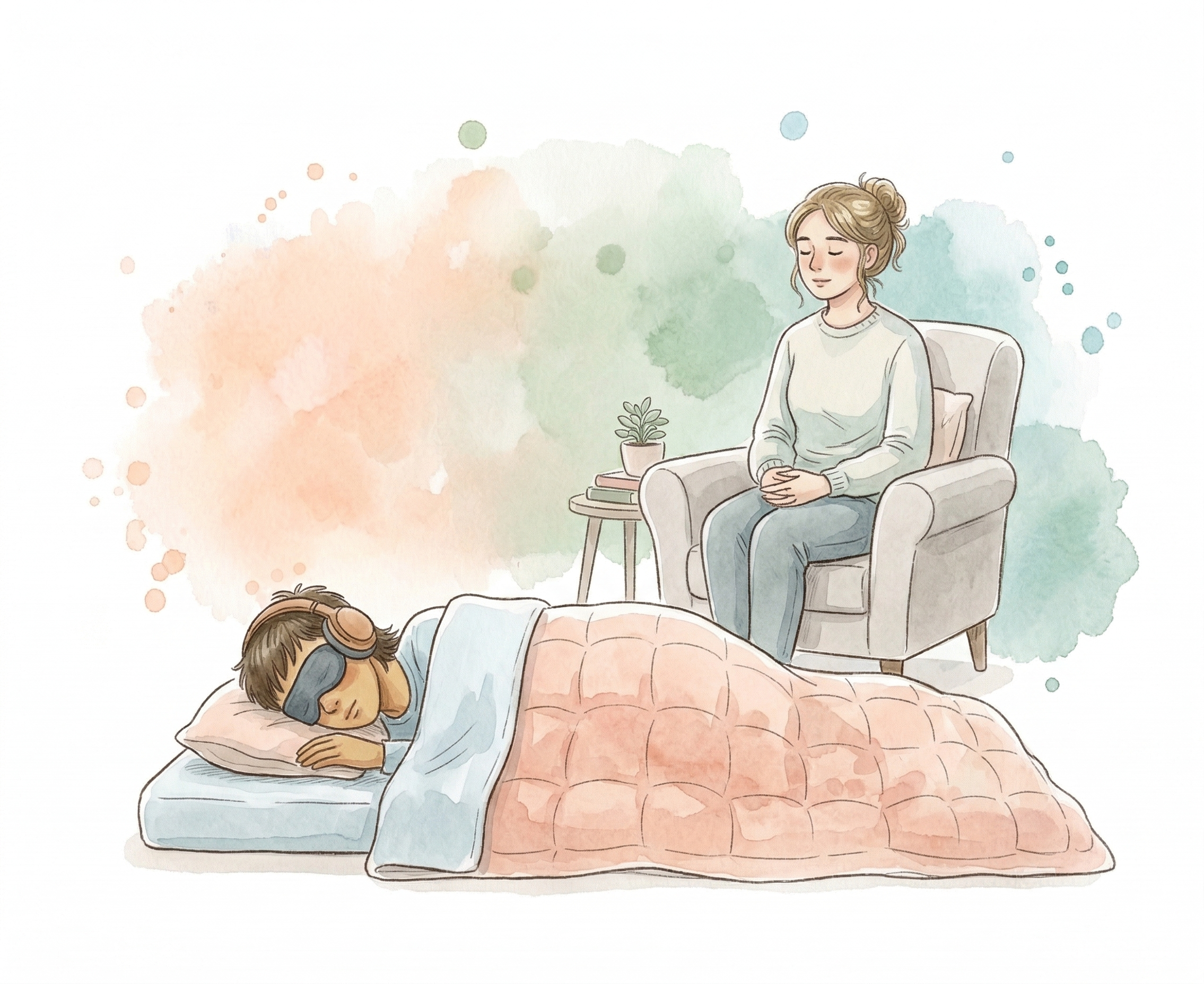
Psychedelics are administered in a controlled, clinical setting known as psychedelic-assisted therapy (PAT). This involves three phases: preparation (building safety and intention), the medicine session (guided by trained therapists in a comfortable environment), and integration (processing the insights into daily life). It is distinct from recreational use.
How do psychedelics make you feel?
Sensations vary widely but often include heightened emotions, visual distortions, a dissolution of the "ego" or sense of self, and a feeling of interconnectedness. Somatically, you may feel energy moving through the body, temperature changes, or a release of held tension. It can range from blissful to challenging, depending on the material arising. You can read more about the experience of psilocybin and what to expect here and MDMA here.
What are the cons of psychedelic therapy?
Risks include challenging psychological experiences ("bad trips"), though these are mitigated by professional support and most often end up being positive and meaningful once processed and integrated. Physical side effects can include nausea, headache, or temporary anxiety during onset. It is generally contraindicated for some individuals, such as those with a history of psychosis, mania, or certain heart conditions. It also requires time, financial investment, and emotional labor.
Why are psychedelics banned?
Psychedelics were widely banned in the late 1960s and 1970s (e.g., the Controlled Substances Act in the US) largely for political and counter-cultural reasons rather than medical evidence of harm. Research was halted for decades but has recently resumed, leading to "Breakthrough Therapy" designations by the FDA and changing regulations in places like Canada and Australia. In Canada, for certain indications, we are able to apply to Health Canada for a health exemption via the Special Access Program.
Is psychedelic therapy safe?
When conducted in a clinical setting with proper screening and supervision, research suggests it has a high safety profile and low abuse potential. However, "safe" does not always mean "comfortable." The experience can be emotionally demanding. In my practice, safety is created not just by the physical setting, but by the therapeutic relationship we build beforehand, ensuring you have a trusted anchor if the waters get rough.
Nicole Haworth, RCC, CCC is a Registered and Canadian Clinical Counsellor offering online therapy throughout Canada. With a practice rooted in anti-oppressive and systemic frameworks, she specializes in helping adults navigate depression, anxiety, high sensitivity, self-esteem, boundaries, relationship issues, and overwhelm/burnout. She integrates Internal Family Systems (IFS), EMDR, and psychedelic-assisted therapy to help clients increase their self-knowledge and heal underlying traumas/patterns to improve their health, confidence, and boundaries. In her personal life, she is an avid learner of lifestyle practices that improve healthspan, is devoted to both psychedelic and spiritual practice, and can be found often either reading or walking her sweet little dog.